

Football shirts have always been more than uniforms. They’re symbols of eras, cities, tactics, and identity stitched into memories of last-minute winners and legendary careers. Over time, the “iconic shirt” has evolved from a heavy cotton top worn on muddy pitches into a global fashion object, a collector’s item, and a powerful branding tool for clubs and athletes.
What makes a shirt iconic isn’t only the design, though design helps. It’s the moment and the player inside it: the tournament that defined a generation, the season that reshaped a club, the goal that replays forever. As the sport globalized and technology advanced, shirts began to reflect bigger forces, such as sponsorship growth, manufacturing innovation, and fan culture moving online. This evolution is clearest when you track the kits associated with the greatest players, whose careers often span multiple “shirt eras” in football history.
From Heavy Cotton to High-Performance Fabrics
In football’s earlier decades, shirts were primarily functional. They needed to survive tough tackles, cold weather, and basic laundering, not television close-ups.
- Thick cotton and wool blends were common
- Collars, laces, and long sleeves were standard
- Minimal branding: usually a crest, sometimes not even that
- Colors and patterns were simple due to production limits
These shirts carried a raw authenticity. Their iconic status today often comes from nostalgia and rarity rather than visual complexity.
The Material Revolution: Lighter, Faster, More Aerodynamic
As sports science entered the mainstream, kit manufacturers began treating the shirt as equipment.
- Polyester blends replaced heavy natural fibers
- Ventilation panels and sweat-wicking tech became selling points
- Heat-applied crests and lightweight badges reduced bulk
- Cuts became more athletic and fitted
This shift changed not only player performance but also how fans experienced kits. Modern shirts became comfortable everyday wear, not just something for matchdays.
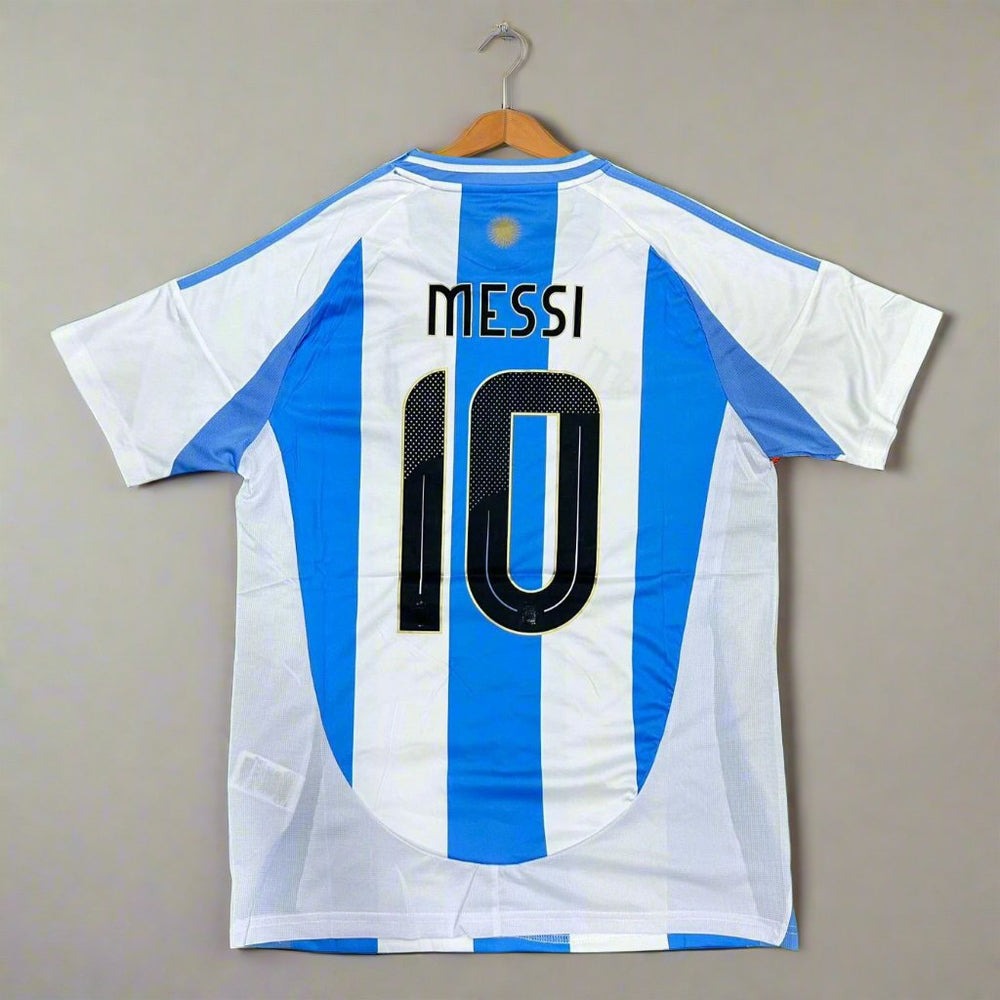
The Rise of Sponsorship and Branding: When Shirts Became Billboards
The Sponsor Logo Era Reshaped “Iconic.”
Once sponsorship became normalized, the front of the shirt turned into prime brand real estate. Some sponsor designs became inseparable from the club’s identity during specific golden eras.
- Classic sponsor placements created instantly recognizable “time stamps.”
- Shirt typography and sponsor fonts became part of the aesthetic
- Fans began associating sponsors with trophies and famous goals
A kit’s iconic status increasingly depended on how well crest, sponsor, and colors balanced especially in big European leagues where shirt design became a global broadcast product.
As Nike, adidas, Puma, and others battled for visibility, football shirts became more stylized and trend-aware.
- Third kits became “creative canvases.”
- Throwback elements were reintroduced intentionally (retro collars, old crests)
- Limited runs and special-edition drops increased desirability
- Templates evolved quickly year-to-year to signal “new era” energy
This is one reason certain shirts worn by the greatest players become instant classics: they are designed to stand out in the social-media age, not just on grass.
TV, Photography, and Social Media: The New “Iconic Moment Machine”
A kit becomes legendary when it’s attached to a photograph fans never forget: a celebration pose, a captain’s armband lift, a final whistle collapse.
- Broadcast quality improved, making colors and details more vivid
- Close-ups emphasized texture, badges, and player names
- Social platforms turned single images into global posters within minutes, strengthening sports fan engagement as supporters like, share, and relive those moments in real time.
This shift creates a new kind of kit legacy; some shirts become iconic faster than ever because the moment is distributed instantly and repeatedly.
Supporters used to buy primarily home kits to show loyalty. Now, fans collect kits like albums.
- Shirt collecting communities track releases and rare versions
- Match-worn and player-issued shirts became high-value memorabilia
- Customization (name/number patches) increased the “story value”
This is where a Cristiano Ronaldo jersey becomes more than a replica, it’s a personal connection to a specific era, club chapter, and style of play.
Iconic Players as “Shirt Eras”: How Greatness Drives Kit Legacy
The Player Turns Fabric into History
Great players don’t just wear shirts, they define them. A kit can be beautifully designed, but if the season is forgettable, it rarely becomes legendary. When the player is truly elite, even a simple design can become sacred.
- A star’s debut season can elevate an otherwise ordinary kit
- Trophy-winning campaigns permanently attach success to the shirt
- A single iconic goal can make that kit the definitive image of an era
For modern fans, this is why certain player-linked kits become “must-own” items the moment they appear.
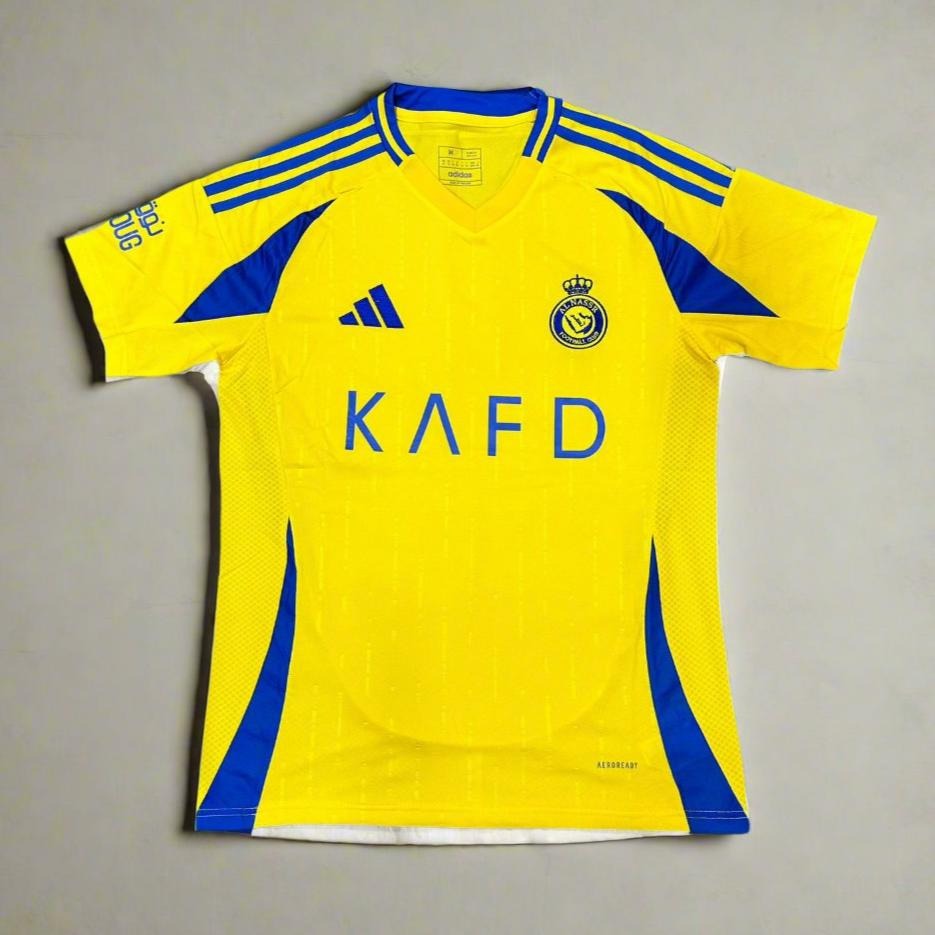
Ronaldo’s career illustrates how shirts evolve across time: changes in fit, fabric, sponsor style, and even how names/numbers are presented.
- Early-career kits often look looser with heavier visual elements
- Peak-modern kits emphasize slim cuts and technical materials
- Today’s releases often include special editions tailored for collectors
If you compare designs across his career, you can literally see football’s commercial and technological evolution. A Cristiano Ronaldo jersey from different periods can feel like a different product category entirely, sport uniform vs. lifestyle collectible.
The Design Language of “Iconic”: What Actually Makes a Shirt Stand Out?
While taste varies, many iconic shirts share repeatable design traits.
- Strong color identity: instantly recognizable club palette
- Clean layout: crest and sponsor balanced, not cluttered
- Distinctive trim: collars, sleeve cuffs, or side panels that frame the look
- Era-specific details: fonts, badges, and patches that “date” the kit in a good way
- Emotional attachment: finals, derby wins, record-breaking seasons
Shirts become iconic when they are easy to remember and easy to picture, often even when the viewer isn’t a fan of that club.
Today, kits also compete as fashion items.
- Neutral or minimal third kits pair well with casual outfits
- Retro remakes tap into nostalgia trends
- Oversized fits and lifestyle collections blur the line between kit and apparel
As a result, some kits become iconic as “looks,” not only as sports history artifacts.
The Collector and Content Era: Limited Editions, Drops, and Hype Cycles
A shirt can gain iconic status because it’s hard to get not just because of what happened on the pitch.
- Limited editions create instant urgency
- Collaborations (artist/design partnerships) attract non-football buyers
- Player-focused campaigns drive global demand
Creators, unboxing channels, and kit reviewers amplify this culture and help decide which releases become “the one everyone remembers.” Many fans use these communities to explore sports topics beyond matches like kit history, design theory, and memorabilia collecting.
A match-worn shirt tells a specific story: grass stains, fabric pulls, and tiny details that confirm it lived a real moment.
- Auctions and authentication services increased buyer confidence
- Provenance (which matches which goal) raises value dramatically
- Fans treat match-worn pieces like museum items
This changes how iconic status forms: a shirt is no longer just a design, it’s a documented artifact.
Conclusion
Iconic football shirts evolve with the sport itself. Materials shifted from heavy cotton to high-performance fabrics, sponsorship transformed kits into global branding, and media turned single images into instant legends. Most importantly, the greatest players make shirts unforgettable by attaching them to moments fans replay for decades. That’s why certain designs become timeless because they carry a story, a season, and a legacy. A Cristiano Ronaldo jersey isn’t just a piece of clothing; it’s a snapshot of football’s changing eras, worn by a player who helped define them.