
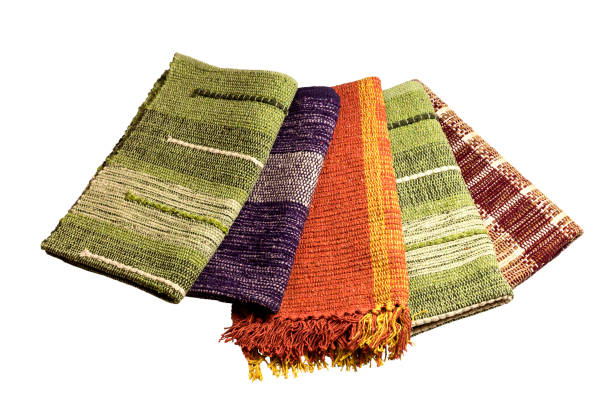
Traditional handwoven floor spreads have quietly returned to modern interiors, not as nostalgic accessories but as practical design elements with real performance. In homes shaped by clean lines and minimalist palettes, a handwoven spread introduces texture, depth, and warmth without overwhelming the space. The result is a room that feels curated rather than constructed, with subtle evidence of craft that elevates everyday living.
Beyond aesthetics, these floor spreads are built for use. Handweaving typically produces a tighter, more resilient structure than many machine-made alternatives, making it suitable for high-traffic rooms such as living areas, entryways, and family spaces. When thoughtfully chosen, a traditional weave becomes a modern essential that balances durability, comfort, and timeless style.
The Craft Behind Handwoven Floor Spreads: Materials, Weaves, and Meaning
The value of a handwoven floor spread begins with its raw material. Natural fibers such as cotton, wool, jute, and grass are widely used because they offer breathability, tactile comfort, and a grounded, organic look. Each fiber behaves differently underfoot: wool tends to feel warmer and more cushioned, while plant fibers often create a crisp texture that works well in humid climates and bright interiors.
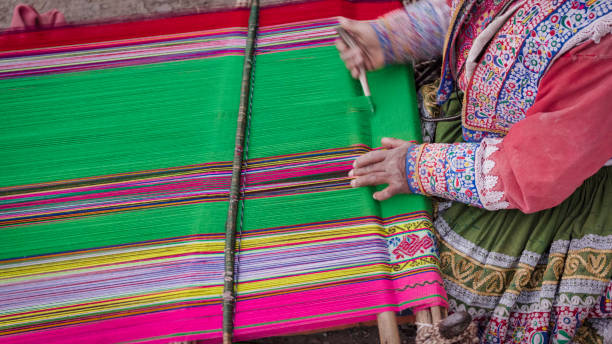
The weaving process adds another layer of distinction. Handloom techniques create subtle variations in tension, pattern alignment, and texture that are nearly impossible to replicate with mass production. These variations are not flaws; they are signatures of authenticity. A korai grass mat, for example, reflects a tradition where function and craft merge, resulting in a spread that feels light, structured, and visually calm while still carrying cultural depth.
Why Handwoven Spreads Work So Well in Modern Homes
Modern homes often rely on a controlled visual language: neutral colors, open layouts, and a mix of smooth surfaces like glass, polished wood, or stone. Handwoven floor spreads complement this environment by providing contrast. The interplay between a refined setting and a tactile textile creates balance, softening sharp edges and making rooms feel more livable.
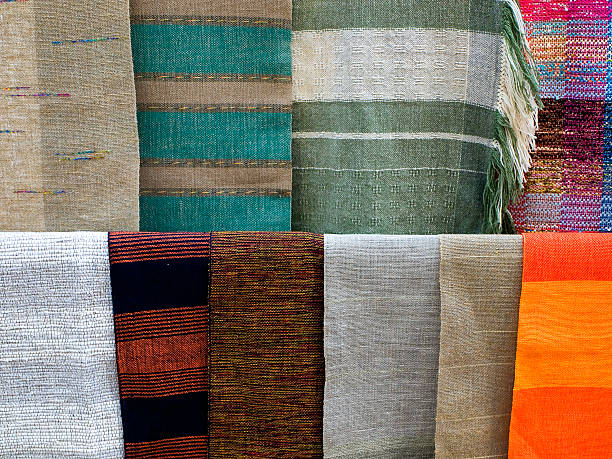
Handwoven spreads also adapt easily to changing décor. They work as anchors under coffee tables, as soft zones in reading corners, or as grounding layers in bedrooms. Because many traditional designs use symmetrical geometry and natural palettes, they integrate naturally into contemporary styles such as Scandinavian, Japandi, modern rustic, and warm minimalism. Their versatility is especially valuable in fully styled living spaces designed for convenience and everyday comfort, where décor needs to feel both functional and welcoming.
Choosing the Right Style: Patterns, Colors, and Room Fit
Selecting a traditional handwoven floor spread is most successful when you start with the room’s function. In a living room, a broader weave and slightly heavier construction tends to hold its shape better under furniture. In a bedroom, softer fibers and gentler textures can add comfort where bare feet meet the floor first and last each day.
Color and pattern should reinforce the mood of the space. Subtle stripes or small geometric motifs can add structure to a minimal room, while bolder traditional patterns can become a focal point in a simpler setting. If your furniture is visually busy, a quieter weave can restore calm. If your room is plain, a patterned spread can introduce movement and a sense of design intention without requiring new furniture or paint.
Placement Ideas That Feel Contemporary Yet Rooted
One reason handwoven spreads suit modern interiors is their flexibility. They can be layered over larger neutral rugs to add dimension, or used alone to highlight a specific zone in an open-plan room. A compact spread placed near a sofa can define a conversation area, while a longer runner can create direction and rhythm in hallways and transitional spaces.
They also work well in multipurpose homes where rooms serve more than one role. A floor spread can visually separate a home office corner from a living area, or soften an acoustically “hard” space with echo-prone surfaces. This emphasis on warmth, accessibility, and ease of movement is equally appreciated in premium retirement communities focused on comfort and elegant daily living, where interiors are designed to feel calm, supportive, and inviting.
Care and Longevity: Keeping a Handwoven Spread Beautiful
Handwoven floor spreads typically age well when maintained with simple, consistent care. Regular shaking outdoors or gentle vacuuming helps remove dust before it settles deep into the weave. Rotating the spread occasionally can prevent uneven wear, especially in areas exposed to repeated foot traffic or sunlight from large windows.
Spot cleaning is generally best handled with mild methods that respect natural fibers. Harsh chemicals can strip color and weaken the material, so careful dabbing and air drying are preferable. For deeper cleaning, the safest approach often depends on the fiber type, as wool, cotton, and plant fibers react differently to moisture and detergents. With the right care routine, a quality handwoven spread can remain an attractive, functional part of a modern home for years.
Sustainability and Ethical Value in Traditional Weaving
Traditional handweaving is frequently aligned with slower, more responsible production. Many handwoven spreads use renewable fibers and low-energy techniques, which can reduce the environmental impact compared to synthetic, heavily processed floor coverings. When a textile is made to last, it also supports sustainability by reducing replacement cycles and unnecessary consumption.
Ethical value is equally important. Handwoven production often sustains artisan livelihoods, preserving skills that might otherwise disappear under the pressure of industrial manufacturing. For homeowners who want interiors that reflect conscious choices, a handwoven floor spread can represent more than décor. It becomes a functional statement of support for craft communities and enduring design practices.
Conclusion
Traditional handwoven floor spreads offer modern homes something many contemporary products struggle to deliver: authenticity that remains practical. They introduce softness, texture, and warmth while supporting daily life with durability and versatility. Whether placed as a subtle layer or used as a statement piece, they create a sense of grounded elegance that never feels forced.
As design trends continue to evolve, the appeal of handwoven craftsmanship stays steady because it connects the home to human skill and material honesty. Choosing a traditional spread is not about looking backward; it is about building a modern interior with depth, comfort, and lasting character.